


Wrocławska Wygrana Rodzina is a project implemented in partnership by:
- Municipal Social Welfare Center in Wrocław (Local Social Work Team No. 3 and No. 5)
- Critical Education Association,
- Stowarzyszenie Żółty Parasol and Partners,
- Fundacja Ładne Historie.
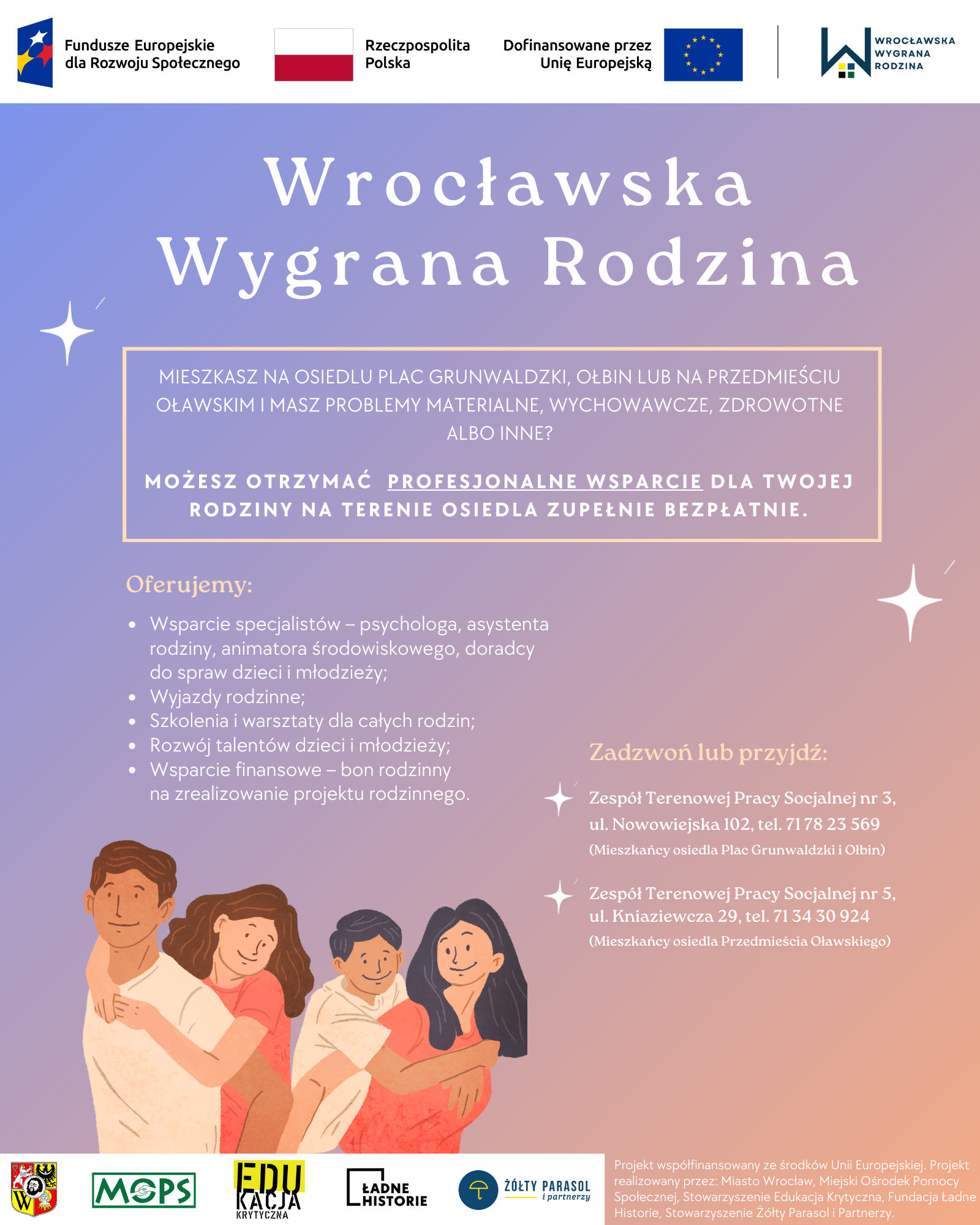
Wrocławska Wybrana Rodzina (Wrocław Family Win) is a support program for families living in Plac Grunwaldzki, Ołbin, and Przedmieście Oławskie in Wrocław. The project helps eligible families with their daily lives, strengthens relationships between adults and children, and supports the development of children and youth. Activities are conducted locally, close to home, in a familiar and safe environment.
The program is based on a family support model developed and tested in Warsaw's Praga district, which is being developed and adapted to the realities of Wrocław's housing estates. It was created for families who want to organize their affairs, strengthen parenting skills, improve communication at home, or receive support at an important moment in their lives. Every family has its own story and needs. WWR provides a space for conversation, planning, and gradual implementation of change. The work is based on relationship, confidentiality, and mutual respect.
In this part of Wrocław's Śródmieście district, the project is being implemented in partnership. Fundacja Ładne Historie operates in Grunwaldzki Square and collaborates with the Municipal Social Welfare Center and the Yellow Parasol and Partners Association, which is responsible for implementing the project in Ołbin. This ensures coherent and coordinated support across several neighborhoods.
Wrocławska Wybrana Rodzina strengthens families in their everyday lives. Stable relationships at home foster better school performance for children and greater adult involvement in community life. The program supports the development of networks of cooperation between families, institutions, and local organizations.
Collaboration within a local coalition enables coordinated, long-term action. The project combines individual support with community involvement, fostering lasting change.
Wrocławska Wygrana Rodzina (Wrocław Family Win) is a program based on relationships, strengthening competencies, and building a stable foundation for children, youth, and their caregivers. This provides support close to home and addresses the real needs of residents of three Wrocław neighborhoods.
Summary of activities from January to July 2025
Recruitment and first meetings with families:
During this period, family recruitment for the project continued. Although the process took longer—mainly because we wanted to best tailor the forms of support to the needs of participants—it yielded very positive results.
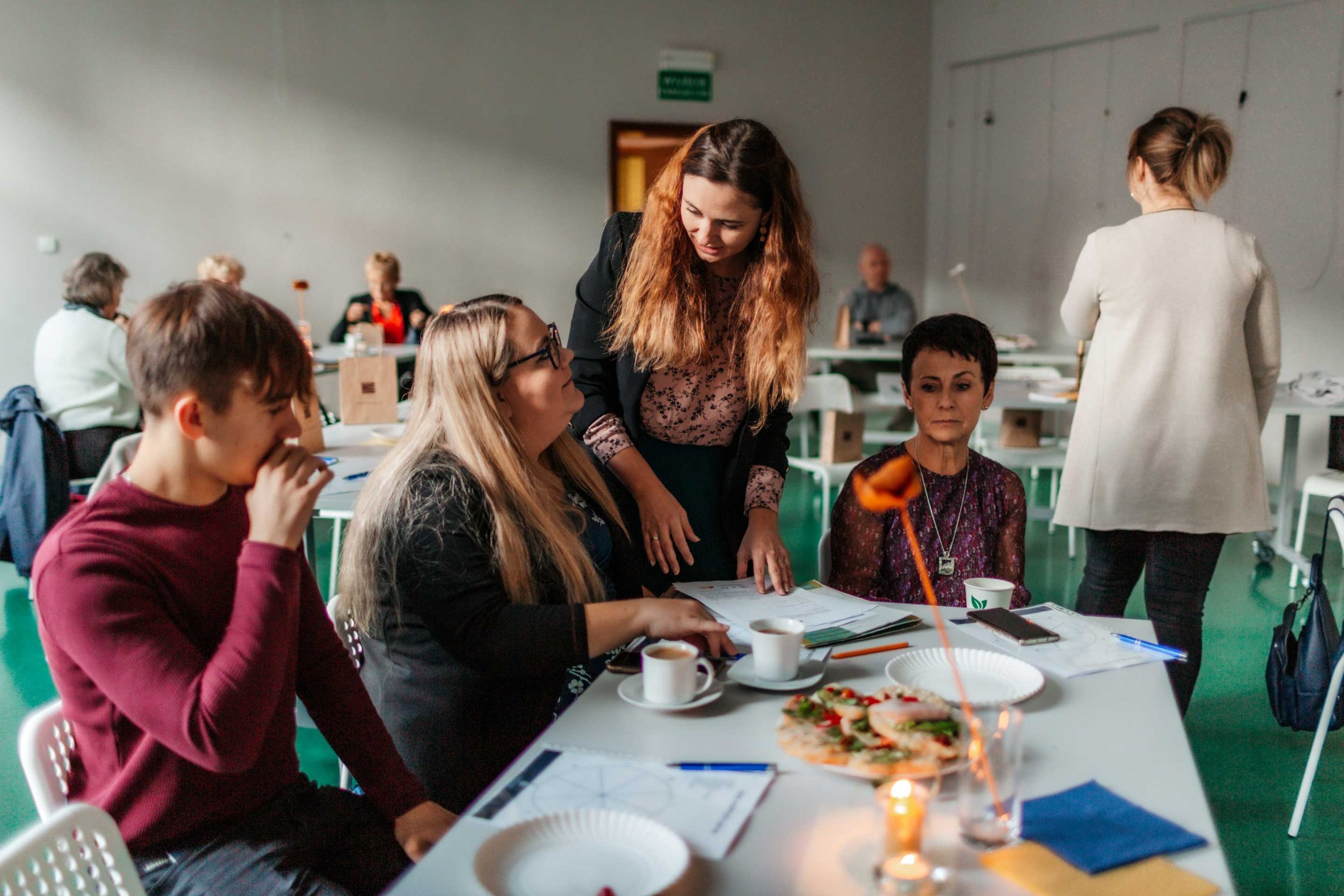
The project recruitment process lasted from March to April and targeted families in need of strengthened social capital, including a needs assessment. Recruitment was conducted by a designated Recruitment Team. Team members are individuals who work in the local community on a daily basis and are intimately familiar with its specifics and the needs of residents. Recruitment was preceded by the preparation of accessible information materials about the project, as well as application forms and regulations. The materials were published on websites and social media, disseminated by local coalitions, and made available in locations frequently visited by residents, such as clinics, libraries, pharmacies, shops, and Municipal Social Welfare Centers.
A psychologist conducted assessments for eight families, and a facilitator supported the process, understanding the needs and circumstances of each family. This allowed us to plan individual support paths tailored to the families' real-life circumstances and daily challenges.
Trip "Let's get to know each other as unique and exceptional people":
A trip to the Trzy Jeziora Center in Wieleń took place from June 27-29, 2025. Participants in the "Wrocławska Wybrana Rodzina" (Wrocław's Winning Family) project participated in field workshops, thus beginning the implementation of the basic package. The trip included field trips, team-building meetings, workshops, and activities. This approach allowed for the development of relationships with families and the opportunity to learn about their daily lives and relationships. Participants were provided with meals and accommodations.
The trip fostered trust, collaboration, and strengthened family bonds, and served as an important preparatory stage for further project activities. The adults worked with the trainer on communication and relationship building, while the children were provided with safe care and age-appropriate activities. The trip helped us get to know each other and laid an important foundation for further collaboration.
Workshops on improving social competences for children and youth
The children participated in a series of activities that developed social skills, learning to cooperate, build relationships, cope with difficult situations, and develop self-confidence. Each child had the opportunity to participate in a total of 60 hours of activities.
During the workshops, children:
- get to know themselves and their emotions better,
- learned to get along with their peers,
- they talked about what was difficult,
- built self-confidence and discovered their talents,
- practiced how to say „no” and protect their boundaries,
- learned to resolve conflicts calmly and respect others.
The classes were full of fun, conversations, team games, and exercises in pairs and groups. It was a time when the children felt important, noticed, and treated with kindness.
The aim of the workshops was to develop children's interpersonal skills to improve their functioning in social situations by changing unacceptable behaviors into socially acceptable ones. The skills acquired during the workshops will help children develop freely, better cope with situations at school and at home, realistically assess themselves, establish positive relationships with peers, and collaborate effectively in groups.
Start of psychological support:
The first psychologist sessions and individual consultations began in July. The pace and scope of meetings were tailored to the families' capabilities and needs. This marks the beginning of an important element of the project, which we will develop further in the coming months.
Building a Local Support System:
The facilitator met with families and planned the first neighborhood activities with them. We also purchased materials needed to implement local initiatives to support residents' activities and ideas from the outset. In parallel, we continued networking with institutions – through meetings with Municipal Social Welfare Centers (MOPS), schools, and local partners, we strengthened cooperation for the benefit of project participants.
Promotion and information to the community:
It was also a time of intense communication (especially within the estate and online), thanks to which residents of the three estates (Plac Grunwaldzki, Ołbin, and Przedmieście Oławskie) could learn about the project's objectives and its values. We wanted the Wrocławska Wybrana Rodzina (Wrocław Win) project to be a visible and well-understood initiative.
Summary of activities from August to October 2025
Support for children and young people:
During this period, workshops were held to develop social skills – a total of 60 hours of activities and 11 group meetings. The children practiced skills such as cooperation, communication, conflict resolution, and emotional management. A mentor who works with children and young people on a daily basis ensured the workshops were conducted, maintained contact with parents, and ensured that each child felt safe and cared for. She also supported newcomers to the project and collaborated with the team of specialists.
Psychological support:
The psychologist conducted office hours and individual meetings – a total of 157 hours. However, we see that some families approach this form of support with caution. Therefore, we discussed together how to build greater trust in the future and how to talk about psychological help in a simple and non-judgmental way, showing
Regular contact with families:
The project manager was present during workshops and meetings, maintaining regular contact with families, assessing their needs, and supporting the flow of information between all involved. He also participated in family circles organized by MOPS, ensuring a thorough understanding of each family's situation.
Neighborhood activities during the picnic:
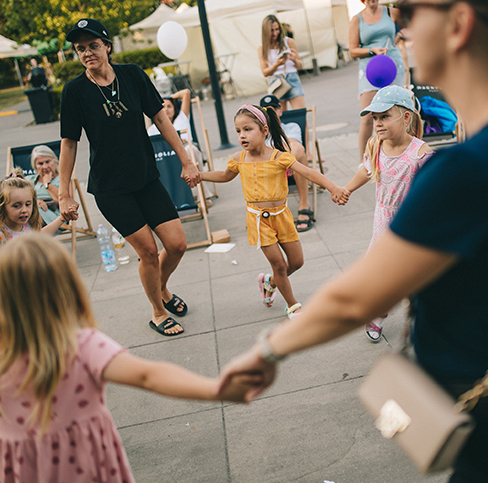
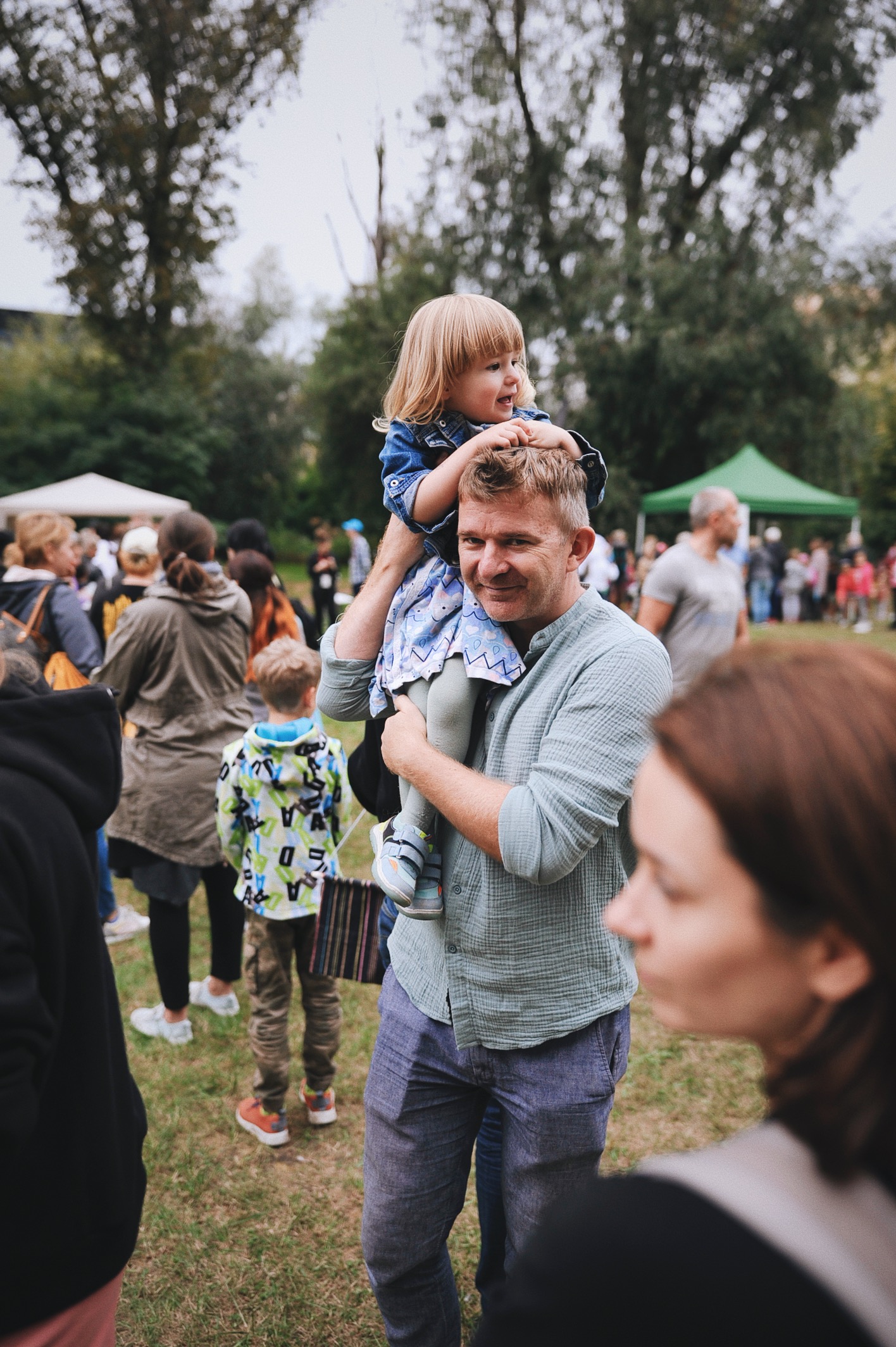
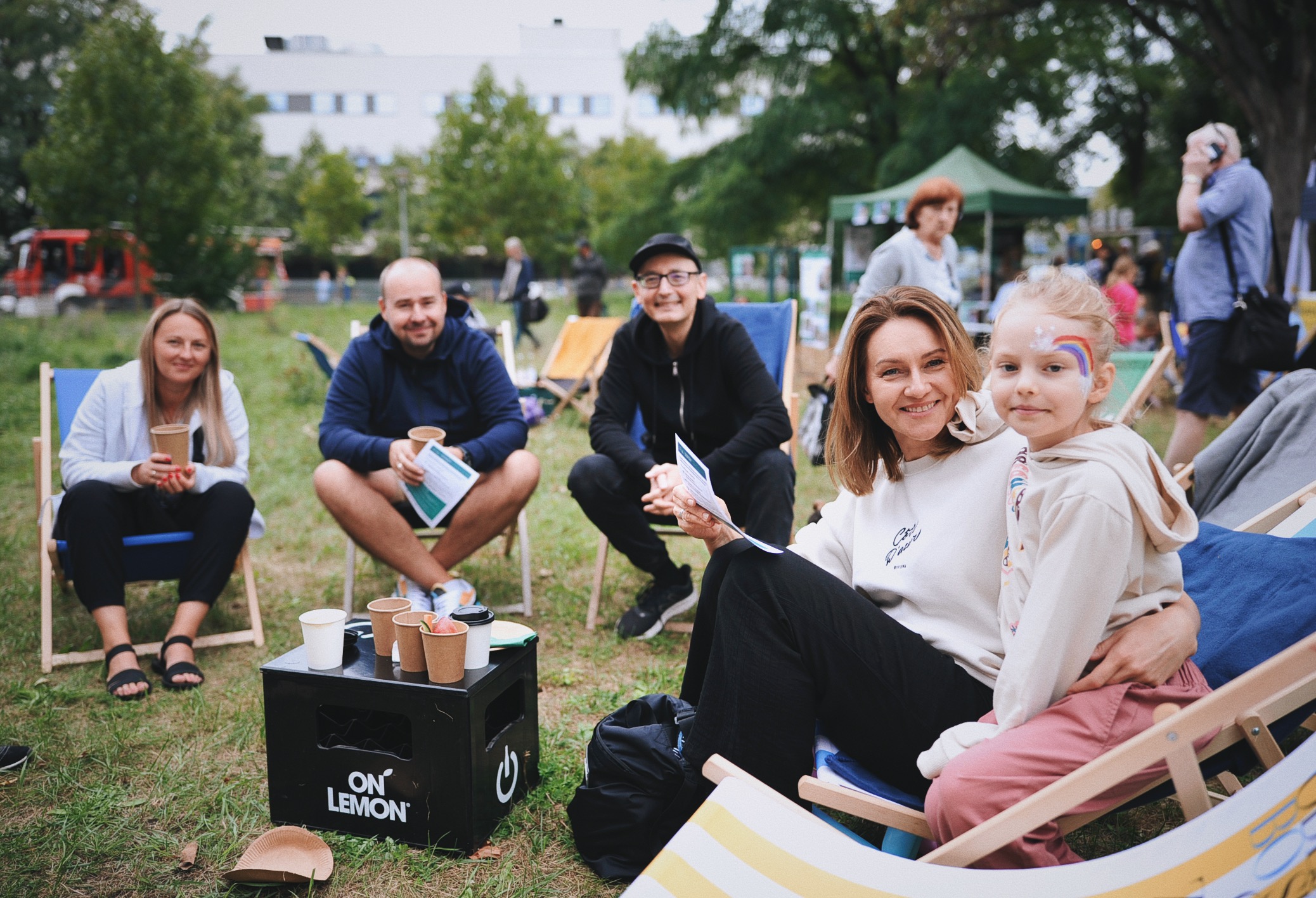
In September, during the Community Council's picnic, participating families proposed and ran entertainment stations for children. There was face painting, postcard workshops, and bag painting. The activity was a huge success – residents eagerly participated, and families felt that their ideas and involvement had a real impact on the community.
„"Nobody's Graves" – an important social initiative:
At the end of October, a deeply moving "Nobody's Graves" campaign took place. Together with families, volunteers, MOPS staff, and members of friendly organizations, we cleaned the graves of anonymous MOPS residents at the Kiełczów Cemetery. For two days, we cleaned the graves, cleared weeds, added markers, and installed new crosses and plaques. We also lit candles and laid flowers. This initiative brought dozens of people together and demonstrated how much we can do together—even for those who are no longer remembered.

[added on March 13, 2025]
We would like to inform you about the possibility of reporting to the Managing Authority any suspicions of non-compliance of the Project "Future Written by Family" no. FERS.05.01-IZ.00-0054/24 or the Beneficiary's activities with the Convention on the Rights of Persons with Disabilities, done in New York on 13 December 2006 (Journal of Laws of 2012, item 1169, as amended), hereinafter referred to as "KPON".
Who can report?
Signals, reports or complaints regarding the occurrence of non-compliance of FERS grant projects with the provisions of KPON may be submitted by individuals (participants in grant projects or their proxies and representatives), institutions participating in the implementation of European Union funds and the social side (associations, foundations).
How to submit an application?
The application can be submitted via (in each of the following cases the application is deemed to have been submitted in writing):
- traditional mail – in the form of a letter to the address of the ministry: Ministry of Funds and Regional Policy, ul. Wspólna 2/4, 00-926 Warsaw,
- e-PUAP outbox of the Ministry of Funds and Regional Policy.
KPON aims to improve the situation of people with disabilities by enabling them to effectively enjoy all human rights and fundamental freedoms on an equal basis with others. It was adopted by the United Nations General Assembly in 2006 and entered into force in 2008. Poland ratified the Convention in 2012.
The project is co-financed by the European Union.
The Managing Authority is the Ministry of Funds and Regional Policy.
The project will be completed in April 2027.
Recruitment for the project will start in March 2025.